Women’s Participation in Disaster Management Accountability (WP-DMA)
مشاركة المرأة في مساءلة إدارة الكوارث
About the project
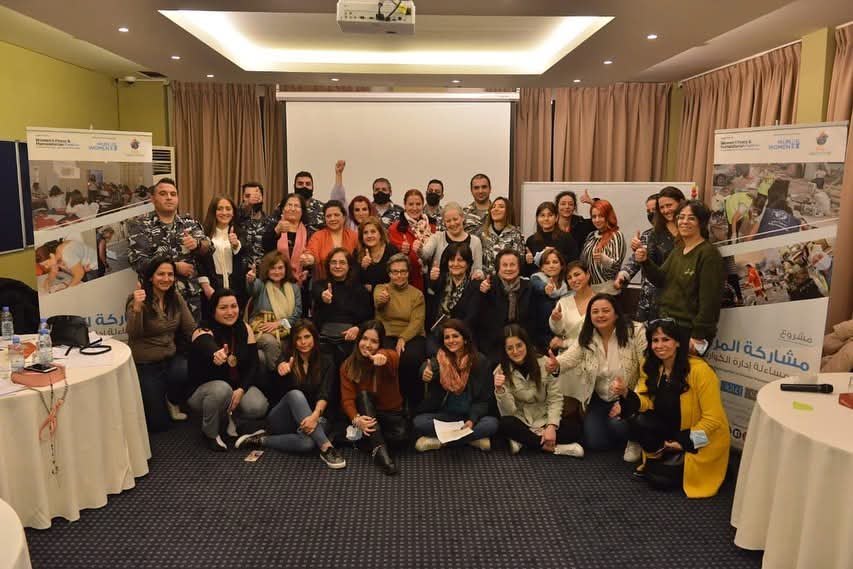
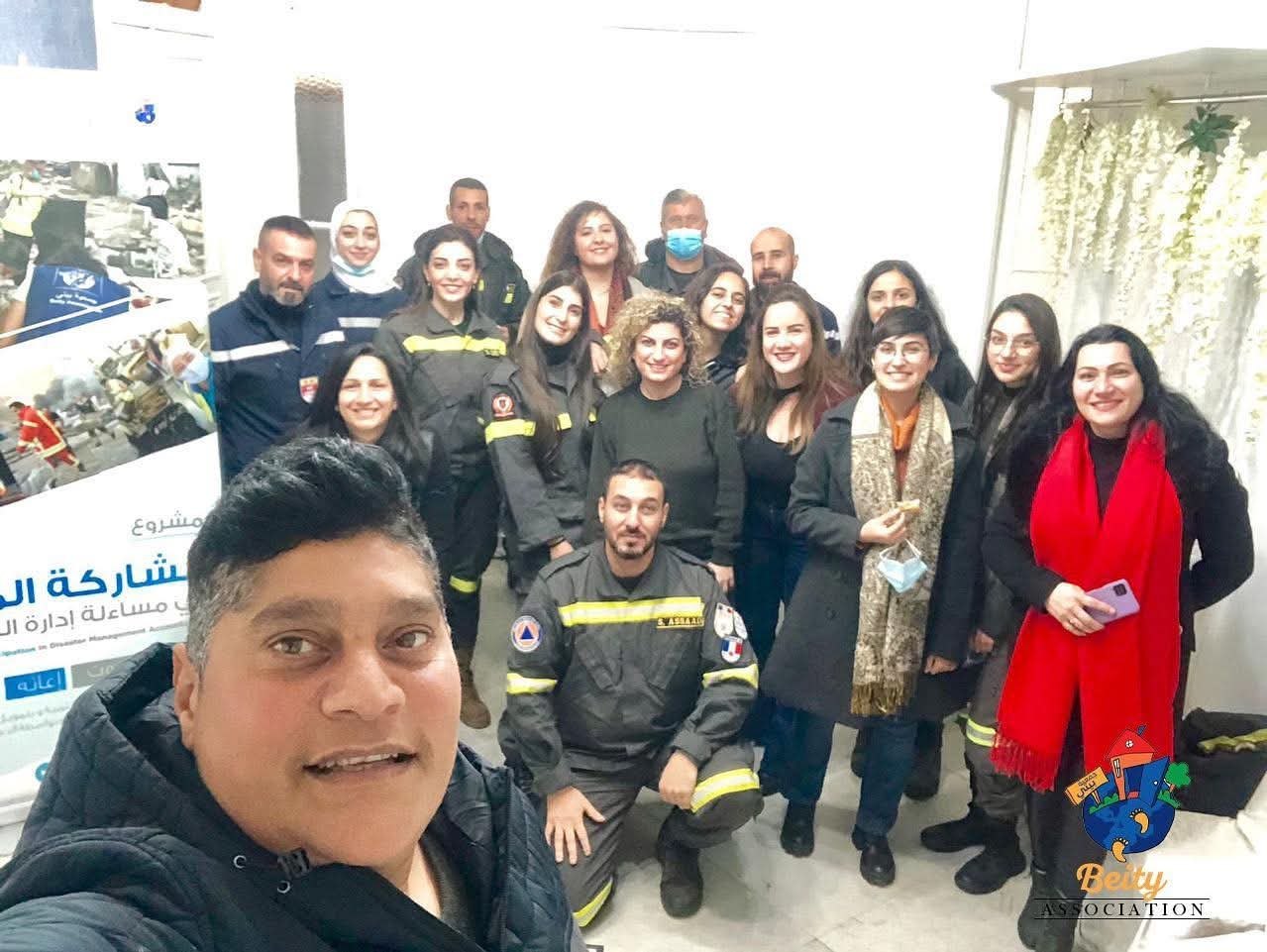
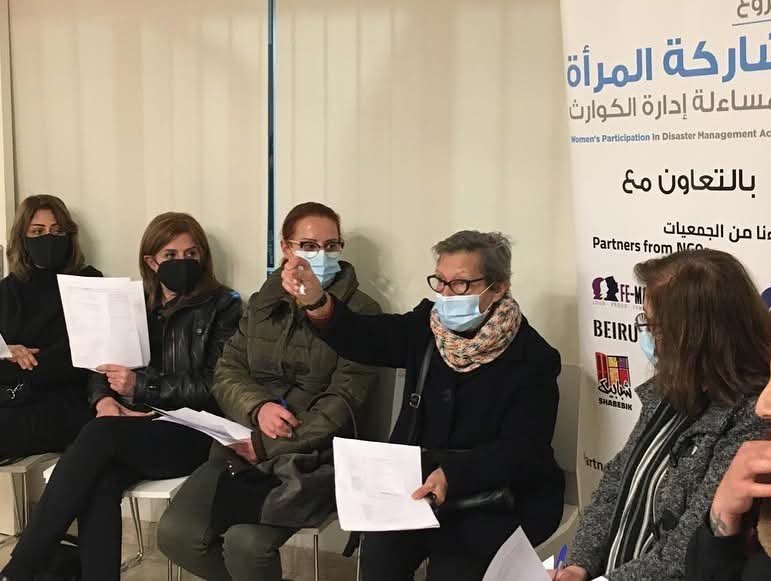
A one-year project strengthening women’s participation in disaster management, inclusive governance, and social accountability in Beirut’s explosion-affected communities of Rmeil and Mdawar. Through capacity building and the Community Score Card (CSC) methodology, the project brought together local women affected by the Beirut Port Explosion, NGOs, the Internal Security Forces (ISF), and Civil Defense to jointly improve public services, emergency preparedness, and community safety.
25women from 6 local NGOs trained to implement the CSC
20local women from the affected communities, including elderly women, women business owners and women activists involved in relief efforts
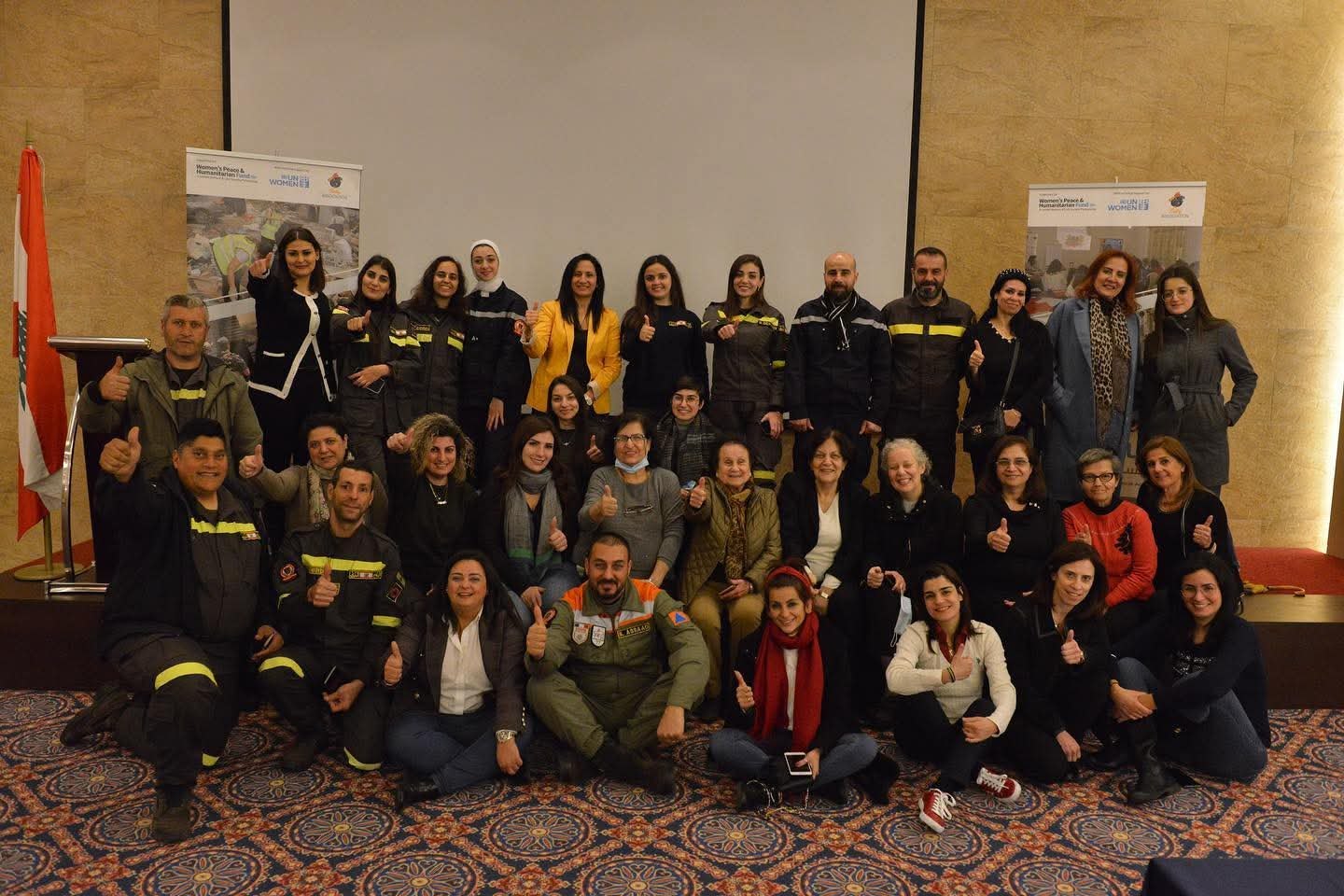
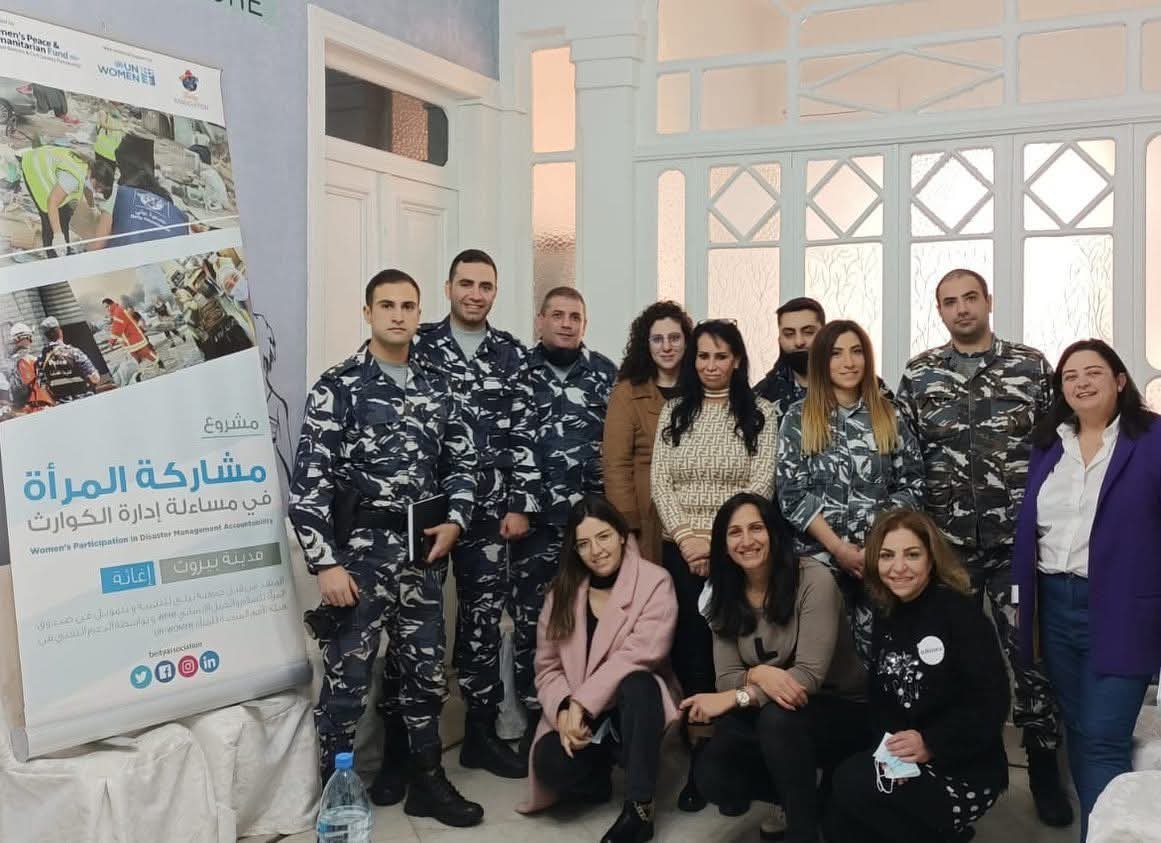
28public service providers (10 women, 18 men) from the ISF and Civil Defense
2joint disaster management improvement plans
5community initiatives implemented
12,000people benefiting from improved community safety
Key activities
- Capacity building for 25 women through 11 training days on governance, social accountability, Community Score Cards (CSC), communication, facilitation, monitoring and evaluation, and crisis management
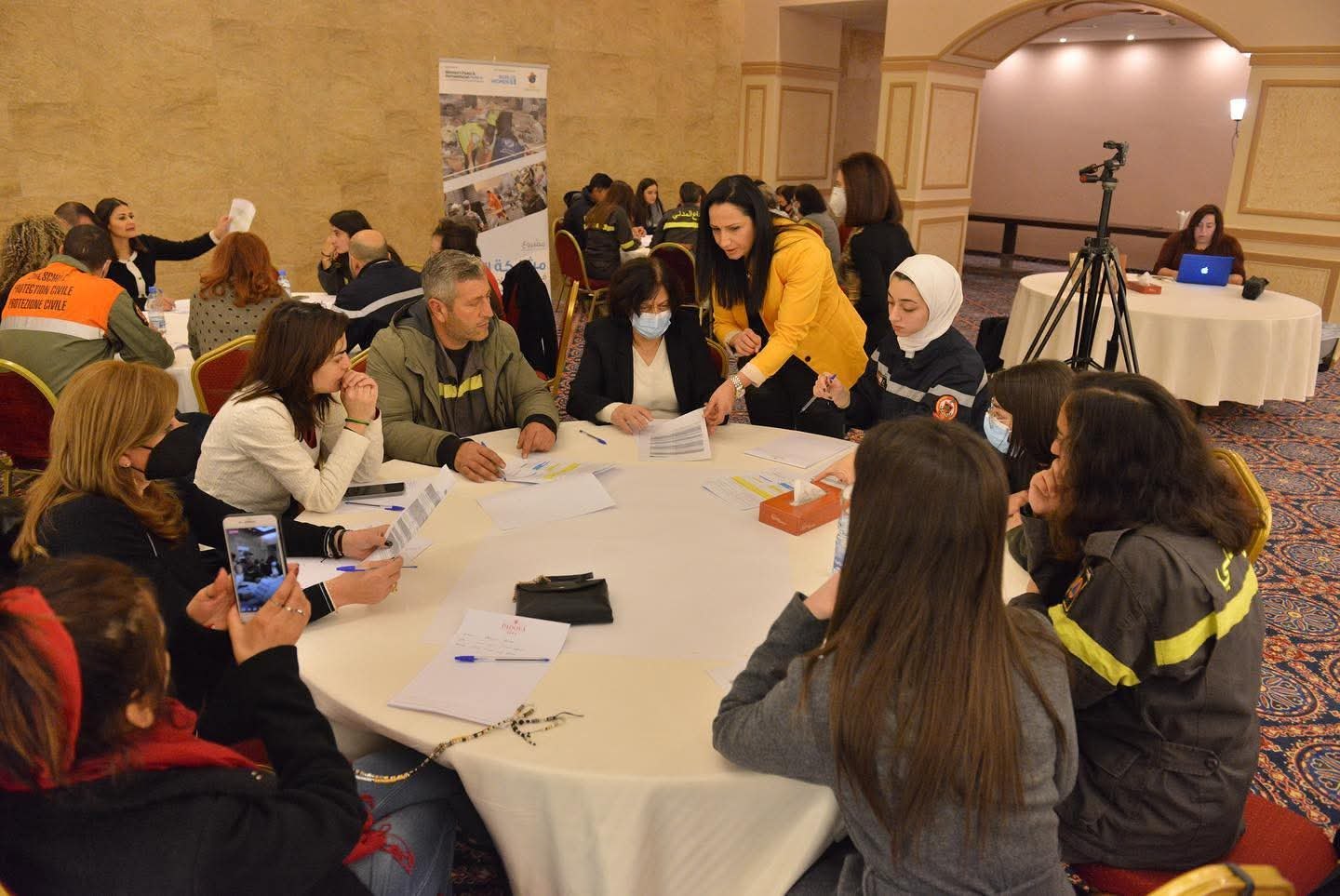
- Participatory consultations and focus group discussions involving women from affected communities and public service providers
- Development of two joint disaster management improvement plans with the ISF and Civil Defense
- Establishment of two follow-up committees involving women representatives and service providers
- Implementation of five initiatives, including:
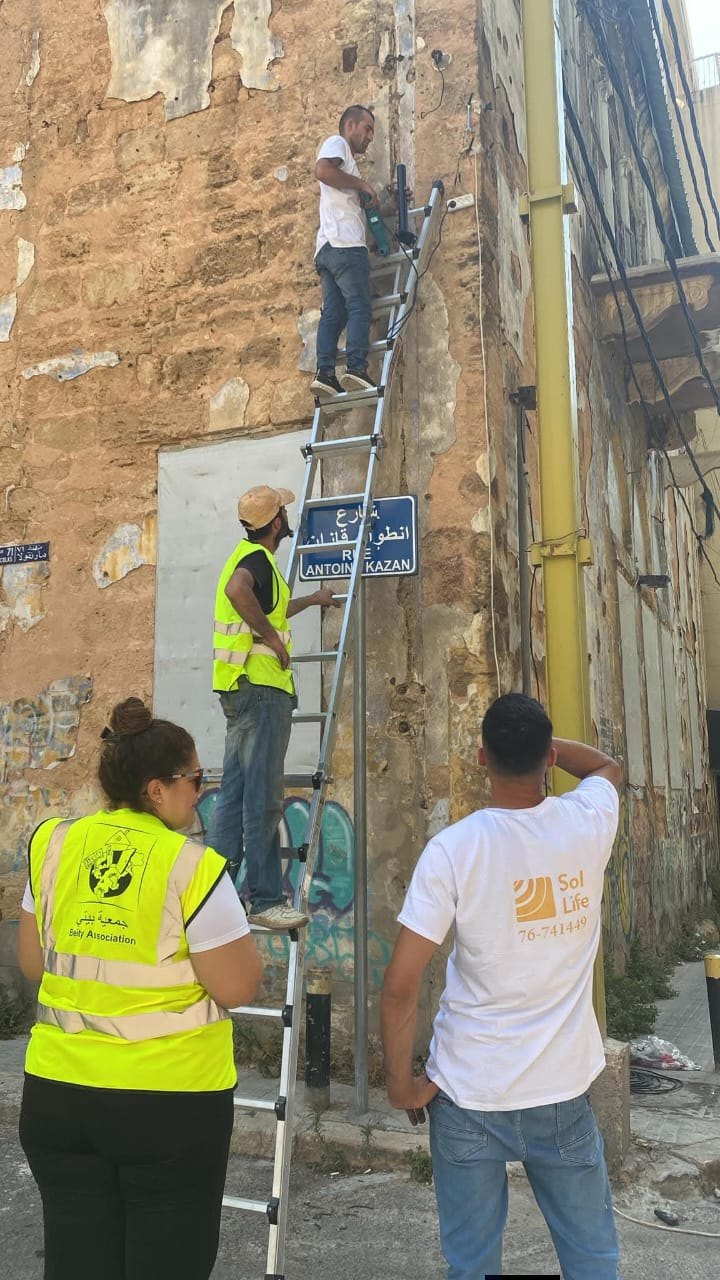
- Installation of 41 solar streetlights in affected neighborhoods in Beirut
- Provision of 18 wireless communication devices and fire truck tires to Civil Defense
- Repair of two police vehicles damaged by the Beirut Port Explosion
- Distribution of 80 emergency and first aid kits
- Production of awareness videos on emergency preparedness and crisis response
- Awareness-raising through videos and infographics reaching over 500,000 people online
Donors & partners
- Funded by: UN Women
- In collaboration with: six local NGOs, the Internal Security Forces (ISF), and Civil Defense
- Implemented by: Beity Association
Date & location
July 2021 – June 2022
Rmeil and Mdawar, Beirut, Lebanon
Photo gallery